
We don’t launch a company. We publish a test, give away an engine, and take one courtroom.
Everyone else checks that your case is real. We check what it actually says, and whether it’s still good law, before you put your name on it.

Filing-grade litigation infrastructure, grounded in open law.
Legawrite.AI builds filing-grade litigation infrastructure grounded in open law. The first focus is the defense side: legal AI for defense law firms, panel counsel and public entity litigators who sign what they file.
The company has distilled roughly 184 million source-linked legal propositions from 3.2 million published, precedential U.S. opinions, verifying what each citation stands for, whom it favors, and whether it is still good law, and locking every verified proposition to its source, so litigators draft on law that has already been verified. The citation is never generated. It is retrieved, verified, and locked.
Courts have now issued well over a thousand decisions addressing fabricated AI citations, the overwhelming majority since 2025, and appellate courts have begun publishing sanctions opinions expressly as warnings to the bar. Firm AI policies, judicial standing orders and malpractice insurers now converge on one question: can you show how this document was made? The market is selling drafting speed into a trust crisis. We built for the trust crisis.
Three pillars
- Verified, not generated. Fabrication is impossible by construction; every proposition verified against its source.
- Owned, not rented. Built from open law, no data tax; capability moats rot, data moats compound.
- Infrastructure, not copilot. The layer other tools should be standing on, not another chat box.
People like us file motions we can defend.
The buyer joined the builder.

Ross Brodskiy
CEO and co-founder
25+ years in legal tech, AI, and security. Invented and built knowledge-graph and reasoner engines with all the workflows. A computational-law thought leader: 6 published papers and 10 patents filed building Legawrite.AI. Authored manuals litigators now read.

Jeff Kruse
Co-founder, Chief Product and GTM Officer
30+ years in litigation, legal operations, and legal tech. Former Boston Scientific Chief Litigation Officer and Shook Hardy partner. The buyer-operator turning litigation workflows into products legal teams trust, adopt, and buy.
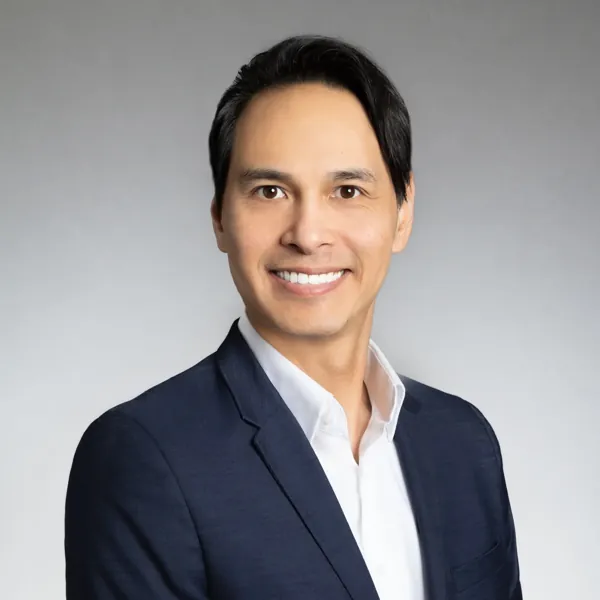
Jon Chen
Chief Legal Officer and co-founder
17+ years a California business litigator for Fortune 500 clients, and the courtroom lens on every product call. Now a legal quant in the truest sense: the human ground truth who validates our extraction gold sets and tells us, case by case, when the graph is wrong.
The corpus has owners. One built the engine. One validates the law. One held the vendors accountable.
Talk to us.
One address, read by the founders: deployment and security questions, press, research collaboration, careers, or the motion you’re nervous about.
Aliso Viejo, California. No client documents or privileged facts by email, please.
What this site collects
Nothing on this site subscribes you to anything or puts you on a list. Booking runs on Calendly, which asks for your name and email so the invite reaches you. If you would rather write to a person, write, and one of us answers.
The ones who show their work.
Litigation-native engineers
You have shipped systems where being wrong had consequences. You would rather refuse than fabricate. You read the Four Laws and nodded.
Write to us →Attorney validators
Practicing litigators who want to be the human ground truth for a jurisdiction: reading what the graph says the law holds, and telling us when it is wrong.
Write to us →